08 Jun, 2026, 11:30HCU
Organized by Lucas Caluori, Paulina Domke, Joshua Kaewnetara, Arjama Mukherjee, Anastasia Schmidt, Zita Seichter and Louis Volont
Urban future-making: Second international week
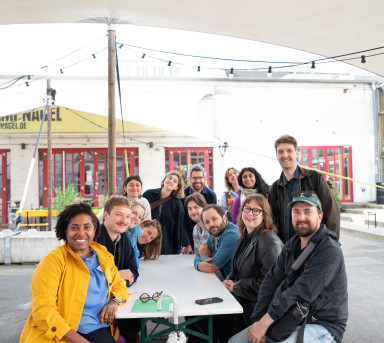
Image © nn.
The RTG’s second International Week brought together researchers for five days of interdisciplinary exchange, collaborative learning and discussion of ongoing research. The programme combined research presentations, peer feedback, discussions with the RTG’s Advisory Board, academic lectures and excursions, creating opportunities to connect research perspectives and develop new collaborations.
The week began with an exploration of Hamburg’s urban development, including a walk through HafenCity and Speicherstadt. Participants then presented their research and exchanged perspectives with the RTG’s Advisory Board and principal investigators in a roundtable discussion on doctoral research and related challenges. An excursion to the Oberhafen Quarter offered further insights into urban transformation and the role of rules and organisations in shaping urban futures. The day concluded with a public lecture by Prof. Gillian Rose from the University of Oxford.
A central element of the programme was the exchange of research in progress. In small reading groups, participants discussed each other’s texts and provided feedback. A collective walk through Hamburg, guided by reflective questions, offered an opportunity to connect these discussions with observations of the city. The programme also included a lecture by Prof. Hillary Angelo from the University of California, Santa Cruz.
Further activities explored the relationship between research, professional practice and the urban environment. Participants visited Kampnagel, one of Hamburg’s leading cultural venues, and took part in a workshop and roundtable on early-career research from interdisciplinary and international perspectives. The week also coincided with HafenCity University’s Dies Academicus and its 20th anniversary celebrations, providing additional opportunities for exchange and networking.
The International Week concluded with a collective breakfast and ethnographic journaling session, followed by a reflection on the programme and a discussion of future collaborations. Combining peer feedback, academic exchange and shared experiences of the city, the week created space to reflect on research practices, strengthen international connections and explore possibilities for future cooperation.
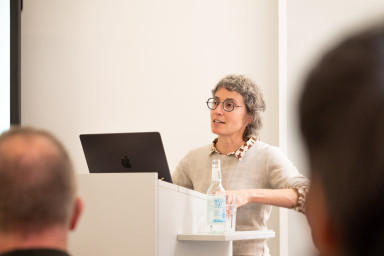
Image © Anastasija Lösslein.
Image © nn.
Image © Anastasija Lösslein.
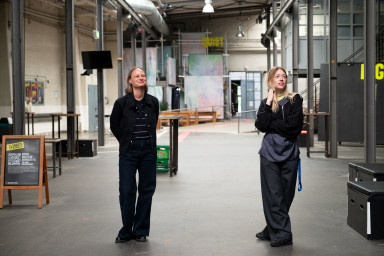
Image © Anastasija Lösslein.
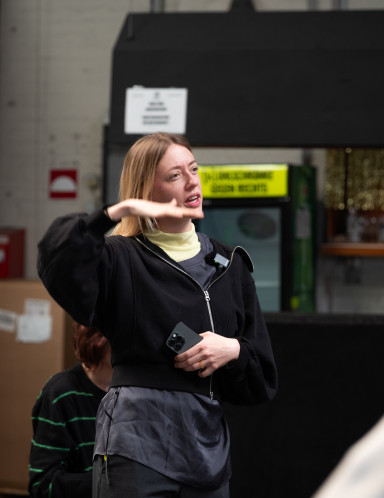
Image © Anastasija Lösslein.
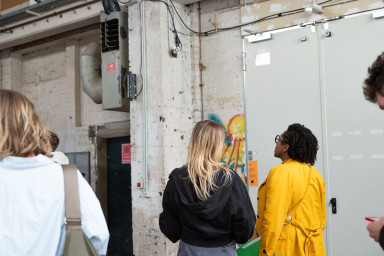
Image © Anastasija Lösslein.
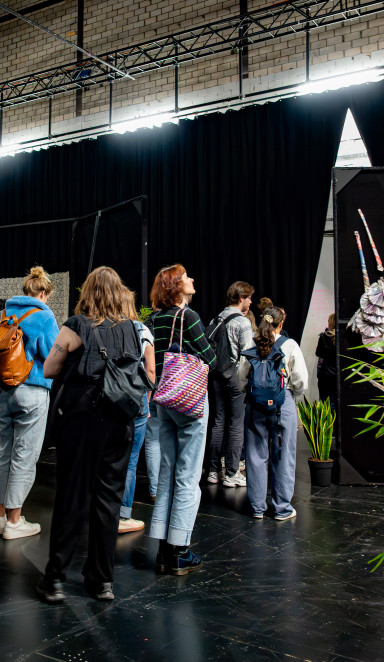
Image © Anastasija Lösslein.
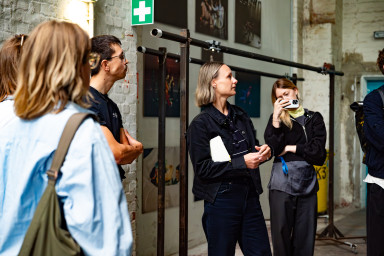
Image © Anastasija Lösslein.
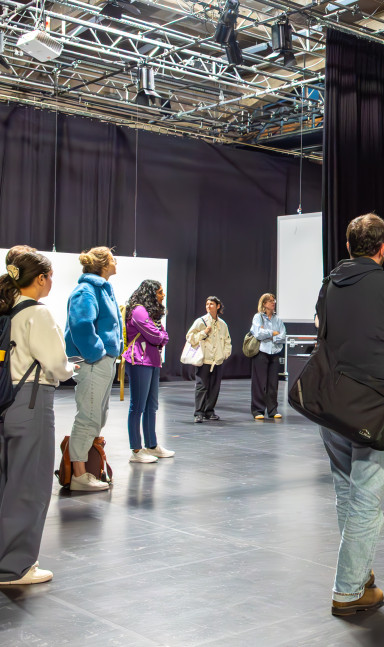
Image © Anastasija Lösslein.
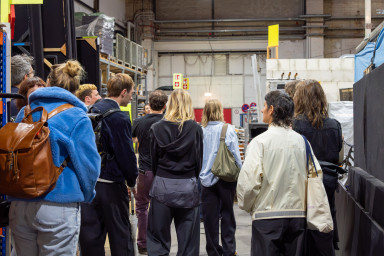
Image © Anastasija Lösslein.
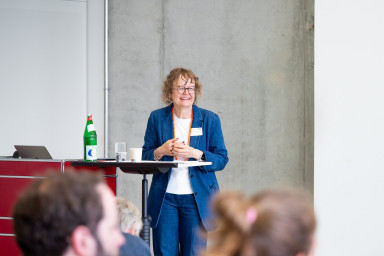
Image © Anastasija Lösslein.
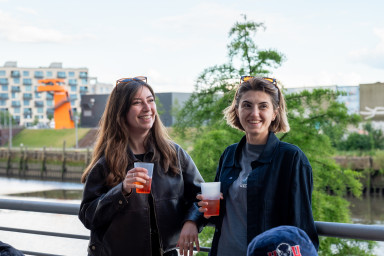
Image © Anastasija Lösslein.
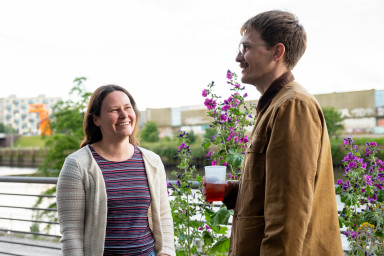
Image © Anastasija Lösslein.
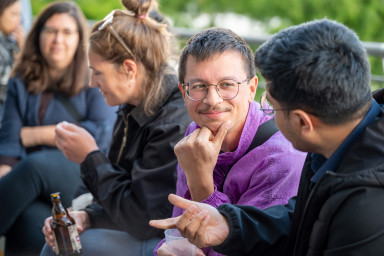
Image © Anastasija Lösslein.
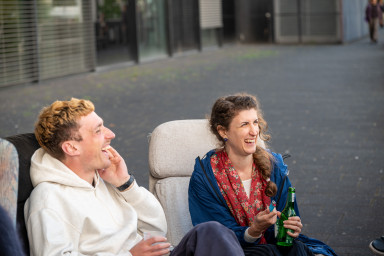
Image © Anastasija Lösslein.
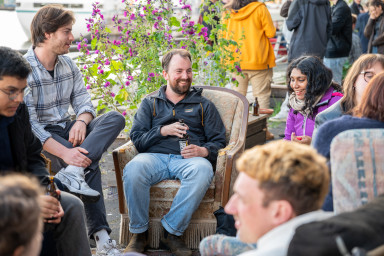
Image © Anastasija Lösslein.