23 Mar, 2026, 10:00Copenhagen, Malmö and Lund
Organized by Lena Enne, Jeanette vom Baur, Zayra Castillo, Alisa Uhrig and Weronika Nesh Yuan
Field trip to Copenhagen, Malmö and Lund
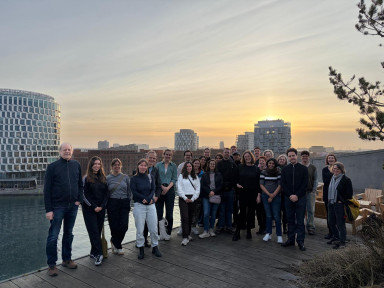
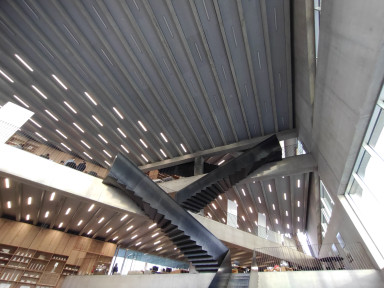
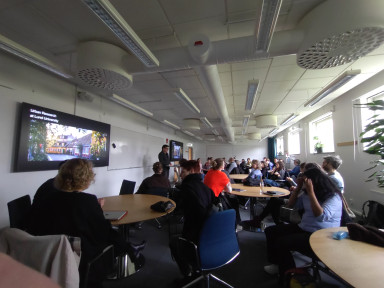
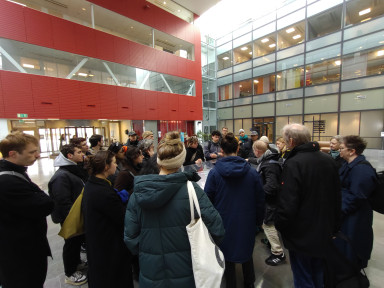
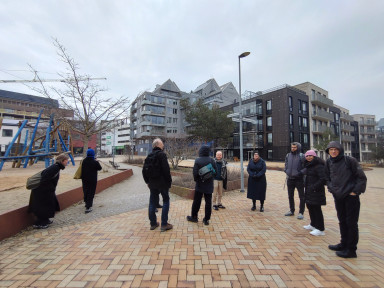
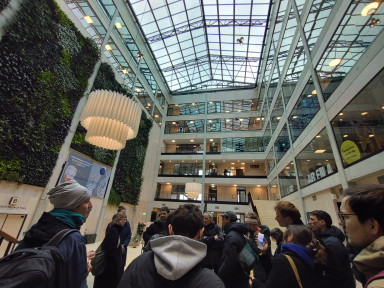
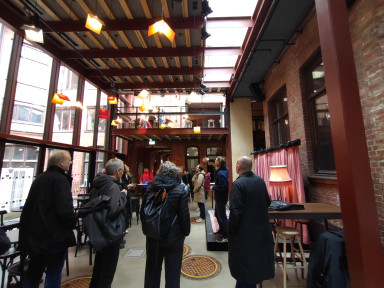
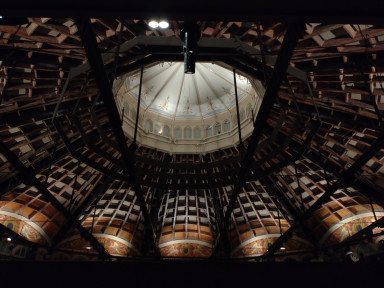
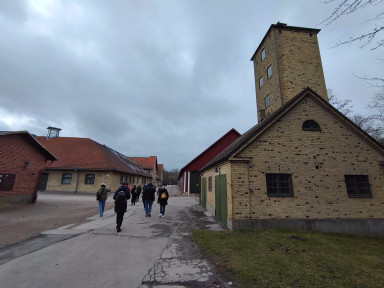
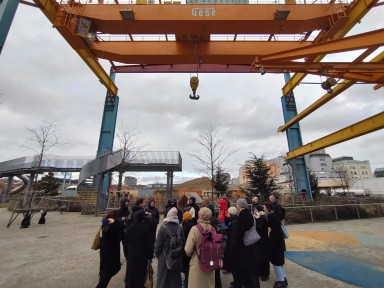
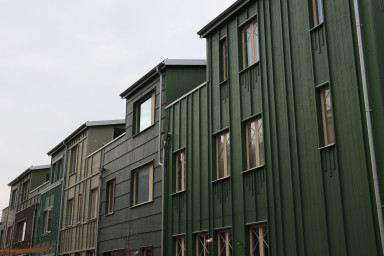
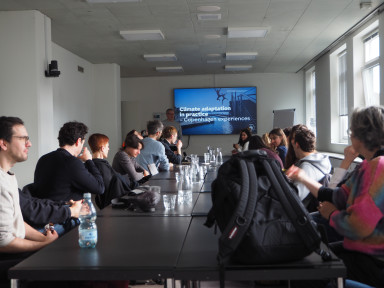
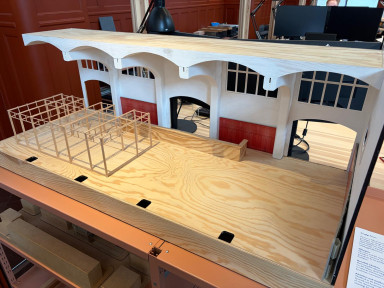
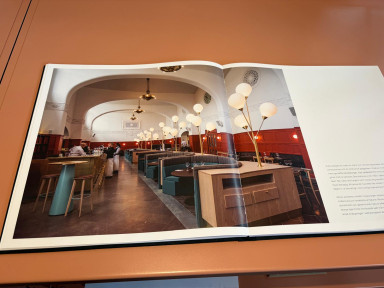
The RTG’s second field trip brought us to Copenhagen, Malmö and Lund to explore different approaches to urban transformation, climate adaptation and the making of future cities. Across four days, we visited architectural practices, research institutions, urban development projects and landscapes, combining site visits and discussions with practitioners and researchers.
In Copenhagen, we explored how the city is responding to climate change and how new urban districts are being shaped through innovative approaches to architecture, planning and sustainable development. Visits to the climate adaptation project at Islands Brygge, BIG’s headquarters and the developing Nordhavn area offered insights into the transformation of former industrial and harbour areas.
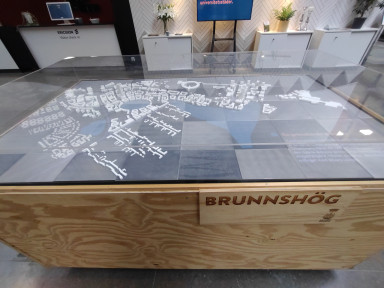
In Lund, we visited the Brunnshög district, a large-scale urban development project combining housing, research, innovation and sustainable mobility. Discussions with colleagues at Lund University provided an opportunity to exchange perspectives on urban design, planning and interdisciplinary research.
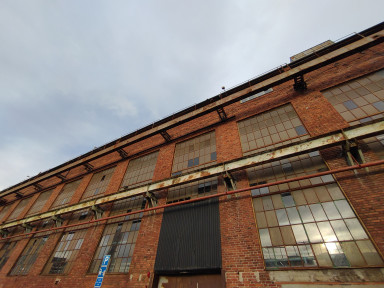
In Malmö, the programme brought together different perspectives on urban transformation and the relationship between the built environment, landscape and society. We visited Malmö Stadsteater and discussed architectural and climate strategies with White Arkitekter, explored the Landscape Laboratory at Alnarp, and toured the transforming areas of Varvsstaden and Nyhamnen. A parallel programme focused on public memory and monuments, examining how Malmö addresses the legacies of far-right and racist violence through public space, art and civic engagement.
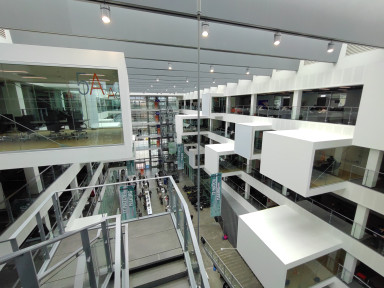
The field trip concluded in Copenhagen with exchanges at the IT University on mobility, urban planning, networks and data science, alongside a cycling tour exploring the relationship between urban development, nature and circular construction in Amager and Ørestad. Across the different sites, the trip offered an opportunity to compare how cities and regions respond to contemporary challenges and how different actors contribute to imagining and shaping urban futures.